- posted: Oct. 30, 2024
Hashimoto's thyroiditis refers to an autoimmune disorder when one’s immune system mistakenly attacks the thyroid gland – often leading to hypothyroidism or an underactive thyroid. According to the healthcare professionals at the Environmental Health & Allergy Center, which serves the communities in and around St. Louis, MO this condition causes the thyroid to fail to create sufficient hormones to appropriately regulate metabolism, energy use, and growth. For help treating this Hashimoto’s Throdiditis holistically, contact Dr. Tipu Sultan today.
The Thyroid Gland
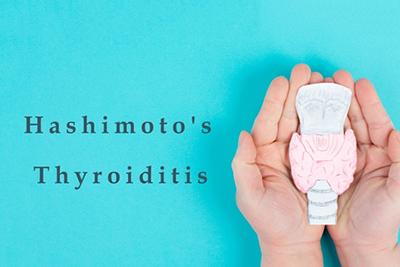
This butterfly-shaped endocrine gland, which controls several essential bodily systems, is in the neck above the breastbone.
- This master gland performs as your body’s control center.
- It ensures the optimal functioning of the brain, heart, muscles, and other organs.
Hashimoto's Thyroiditis – The Causes
Hashimoto thyroiditis’ (a.k.a. chronic lymphocytic thyroiditis) exact cause(s) is unknown. However, it is the most common cause of hypothyroidism in developed countries, and these factors have been identified to add to its development –
- Heredity/Family History of Thyroid and Other Autoimmune Diseases.
- Those with an inappropriate autoimmune response that attacks this gland.
- Hashimoto’s is more common for women as it relates to hormonal fluctuations – often making the condition worse.
- Environmental conditions can trigger the condition -
- Excessive iodine intake.
- Infections.
- Radiation exposure.
Hashimoto's Thyroiditis - The Symptoms
Symptoms of Hashimoto thyroiditis may develop gradually over time and may include one or more of the following -
- Severe tiredness.
- Gradual/inexplicable weight gain.
- Sensitivity to cold temperatures.
- Hair loss.
- Muscle Weakness.
- Constipation.
- Dry/flaky skin.
- Joint Pain.
- Depression.
- Moodiness.
- Trouble with memory/concentrating.
- Irregular Menstrual Cycles
- The thyroid may become visibly enlarged.
In severe/untreated cases, more significant symptoms are possible (e.g., heart issues, infertility, or severe depression).
Diagnosing Hashimoto's Thyroiditis
Diagnosis of Hashimoto is mainly based on a comprehensive medical history and blood tests -
- Blood Tests
- Thyroid-stimulating hormone (TSH) - The primary test is to determine if the thyroid-stimulating hormone is elevated.
- Free Thyroxine (Free T4) - Determines the level of thyroid hormone (Free T4) circulating in the blood.
- Thyroid Antibodies - Checking for elevated antibodies typically seen with Hashimoto’s.
- Ultrasound
- An ultrasound of the thyroid may be used to evaluate the thyroid gland’s size, shape, and other potential abnormalities. This is particularly helpful if a goiter is suspected.
Treatment options typically involve replacing thyroid hormone replacement with medication should Hashimoto Thyroiditis develop. Routine monitoring of this important master gland is essential for proper management.
Contact Us for More Information
If you live or work in the greater St. Louis, MO vicinity and would like more information regarding Hashimoto’s Thyroiditis and the best approaches to its management, contact Dr. Sultan at the Environmental Health & Allergy Center at 314-921-5600.
- posted: Oct. 30, 2024
Hashimoto's thyroiditis refers to an autoimmune disorder when one’s immune system mistakenly attacks the thyroid gland – often leading to hypothyroidism or an underactive thyroid. According to the healthcare professionals at the Environmental Health & Allergy Center, which serves the communities in and around St. Louis, MO this condition causes the thyroid to fail to create sufficient hormones to appropriately regulate metabolism, energy use, and growth. For help treating this Hashimoto’s Throdiditis holistically, contact Dr. Tipu Sultan today.
The Thyroid Gland
This butterfly-shaped endocrine gland, which controls several essential bodily systems, is in the neck above the breastbone.
- This master gland performs as your body’s control center.
- It ensures the optimal functioning of the brain, heart, muscles, and other organs.
Hashimoto's Thyroiditis – The Causes
Hashimoto thyroiditis’ (a.k.a. chronic lymphocytic thyroiditis) exact cause(s) is unknown. However, it is the most common cause of hypothyroidism in developed countries, and these factors have been identified to add to its development –
- Heredity/Family History of Thyroid and Other Autoimmune Diseases.
- Those with an inappropriate autoimmune response that attacks this gland.
- Hashimoto’s is more common for women as it relates to hormonal fluctuations – often making the condition worse.
- Environmental conditions can trigger the condition -
- Excessive iodine intake.
- Infections.
- Radiation exposure.
Hashimoto's Thyroiditis - The Symptoms
Symptoms of Hashimoto thyroiditis may develop gradually over time and may include one or more of the following -
- Severe tiredness.
- Gradual/inexplicable weight gain.
- Sensitivity to cold temperatures.
- Hair loss.
- Muscle Weakness.
- Constipation.
- Dry/flaky skin.
- Joint Pain.
- Depression.
- Moodiness.
- Trouble with memory/concentrating.
- Irregular Menstrual Cycles
- The thyroid may become visibly enlarged.
In severe/untreated cases, more significant symptoms are possible (e.g., heart issues, infertility, or severe depression).
Diagnosing Hashimoto's Thyroiditis
Diagnosis of Hashimoto is mainly based on a comprehensive medical history and blood tests -
- Blood Tests
- Thyroid-stimulating hormone (TSH) - The primary test is to determine if the thyroid-stimulating hormone is elevated.
- Free Thyroxine (Free T4) - Determines the level of thyroid hormone (Free T4) circulating in the blood.
- Thyroid Antibodies - Checking for elevated antibodies typically seen with Hashimoto’s.
- Ultrasound
- An ultrasound of the thyroid may be used to evaluate the thyroid gland’s size, shape, and other potential abnormalities. This is particularly helpful if a goiter is suspected.
Treatment options typically involve replacing thyroid hormone replacement with medication should Hashimoto Thyroiditis develop. Routine monitoring of this important master gland is essential for proper management.
Contact Us for More Information
If you live or work in the greater St. Louis, MO vicinity and would like more information regarding Hashimoto’s Thyroiditis and the best approaches to its management, contact Dr. Sultan at the Environmental Health & Allergy Center at 314-921-5600.