- posted: Aug. 20, 2024
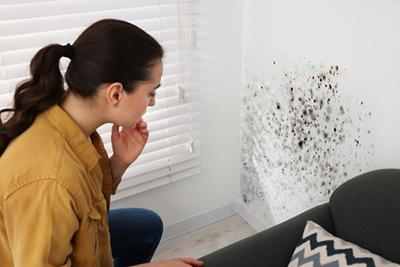
Environmental Health & Allergy Center has helped many people manage various health problems. Led by Dr. Tipu Sultan, we’re more than capable of helping you understand the causes and symptoms of mold toxicity in St. Louis, MO. Read through this article if you fear mold has spread in your home and want to know whether you’re in danger.
What Causes Mold Reactions?
Most people experience adverse mold health problems when exposed to higher concentrations of this fungus than average. Mold spores are airborne almost daily but can worsen if a home is poorly cleaned, excessively moist, or very old. Typically, the worst reactions occur in people with asthma or other reactive respiratory health conditions.
Note that small amounts of mold won’t cause severe reactions unless someone is allergic. It’s still best to avoid mold exposure as much as possible to keep yourself and your family safe. At Environmental Health & Allergy Center, Dr. Sultan can help you decide whether mold toxicity impacts you in St. Louis, MO, and find a therapeutic method that makes sense for your health.
We start by examining your symptoms and determining what is happening. Not all cases are alike; some may include surprising influences that could further impact your health. By understanding your symptoms, you can get better healthcare from our specialist team.
Which Symptoms Affect You?
If you’re experiencing a toxic reaction to mold, there’s a good chance that you’ll develop one or more severe symptoms. These can vary heavily in intensity and cause physical, emotional, and even intellectual reactions, such as:
- Cognitive problems, such as “brain fog,” higher anxiety, and poor memory
- Abdominal pain, as well as muscle aches that feel like fibromyalgia
- Unexplained weight loss or gains, i.e., you weren’t trying for either
- Numbness throughout your arms and legs and other areas
- Strange metallic taste in your mouth that won’t go away
- Sudden dizziness or vertigo that makes you swoon
- Changes in mood that you can’t easily explain
- Dehydration, excessive thirty, and even bed-wetting
- Hair loss, rashes, and other unexpected changes
- Allergic reactions or even asthmatic attacks
- Digestive problems, such as bloating and limited food tolerance
- Tinnitus (ear ringing) that seems to come and go for no reason
- Heavy inflammation throughout your body that makes you feel heavy
We’re Here to Help You Manage Your Serious Mold Problems
At Environmental Health & Allergy Center, our team is led by Dr. Sultan, an expert in mold toxicity therapy for St. Louis, MO, residents. With our help, we can determine what problems are impacting you and work you through treatment efficiently. When you call us at (314) 921-5600, you can schedule an appointment with a genuinely caring therapist.
- posted: Aug. 20, 2024
Environmental Health & Allergy Center has helped many people manage various health problems. Led by Dr. Tipu Sultan, we’re more than capable of helping you understand the causes and symptoms of mold toxicity in St. Louis, MO. Read through this article if you fear mold has spread in your home and want to know whether you’re in danger.
What Causes Mold Reactions?
Most people experience adverse mold health problems when exposed to higher concentrations of this fungus than average. Mold spores are airborne almost daily but can worsen if a home is poorly cleaned, excessively moist, or very old. Typically, the worst reactions occur in people with asthma or other reactive respiratory health conditions.
Note that small amounts of mold won’t cause severe reactions unless someone is allergic. It’s still best to avoid mold exposure as much as possible to keep yourself and your family safe. At Environmental Health & Allergy Center, Dr. Sultan can help you decide whether mold toxicity impacts you in St. Louis, MO, and find a therapeutic method that makes sense for your health.
We start by examining your symptoms and determining what is happening. Not all cases are alike; some may include surprising influences that could further impact your health. By understanding your symptoms, you can get better healthcare from our specialist team.
Which Symptoms Affect You?
If you’re experiencing a toxic reaction to mold, there’s a good chance that you’ll develop one or more severe symptoms. These can vary heavily in intensity and cause physical, emotional, and even intellectual reactions, such as:
- Cognitive problems, such as “brain fog,” higher anxiety, and poor memory
- Abdominal pain, as well as muscle aches that feel like fibromyalgia
- Unexplained weight loss or gains, i.e., you weren’t trying for either
- Numbness throughout your arms and legs and other areas
- Strange metallic taste in your mouth that won’t go away
- Sudden dizziness or vertigo that makes you swoon
- Changes in mood that you can’t easily explain
- Dehydration, excessive thirty, and even bed-wetting
- Hair loss, rashes, and other unexpected changes
- Allergic reactions or even asthmatic attacks
- Digestive problems, such as bloating and limited food tolerance
- Tinnitus (ear ringing) that seems to come and go for no reason
- Heavy inflammation throughout your body that makes you feel heavy
We’re Here to Help You Manage Your Serious Mold Problems
At Environmental Health & Allergy Center, our team is led by Dr. Sultan, an expert in mold toxicity therapy for St. Louis, MO, residents. With our help, we can determine what problems are impacting you and work you through treatment efficiently. When you call us at (314) 921-5600, you can schedule an appointment with a genuinely caring therapist.